
Khadija al-Salami: A Trailblazer for Women in Film and Society
Khadija al-Salami, a pioneering Yemeni director, stands as a beacon of hope and resilience in the realm of filmmaking and women’s rights. As the first female filmmaker in Yemen, her work transcends the boundaries of cinema, serving as a powerful platform for advocating gender equality and challenging the oppressive norms that have historically constrained women in Muslim cultures. Through her life experiences and artistic endeavors, al-Salami has become an influential figure, using her voice to illuminate the struggles and triumphs of women in her homeland and beyond.

Early Life and Challenges
Born in 1966 during the tumultuous period of the Yemeni civil war in Sanaa, the capital of Yemen, Khadija al-Salami’s early life was marked by hardship and adversity. Growing up in a poor Muslim family, she was acutely aware of the limitations imposed on women by the prevailing traditions and cultural practices of her society. At the tender age of eleven, al-Salami was forced into an arranged marriage orchestrated by her uncle, Ali al-Salami. This traumatic experience was compounded by the brutal reality of being raped by her husband, an event that profoundly impacted her psyche and ignited her resolve to fight against oppression.
The psychological toll of her early experiences led al-Salami to contemplate suicide, a reflection of the desperation she felt in the face of her circumstances. However, her mother emerged as a crucial source of support, assisting her in escaping the marriage after just three weeks. This pivotal moment marked the beginning of al-Salami’s journey toward empowerment and self-determination. Recognizing that education was the key to her liberation, she embraced her studies with fervor, attending school while simultaneously working to support herself.
Pursuit of Education and Career
Al-Salami’s determination to pursue education bore fruit as she excelled academically. Her commitment to learning led her to the United Kingdom, where she spent a month in Cambridge to improve her English skills. This initial foray into the English language laid the groundwork for her future endeavors. In 1983, she won a scholarship to study at Georgetown University in Washington, D.C., where she spent four transformative years. During her time in the United States, al-Salami forged a friendship with the Yemeni ambassador, Yahya al Mutawakil, who became a father figure and mentor, opening doors to new opportunities and connections within the Yemeni political landscape.
Her interactions with Yemeni politicians during this period enriched her understanding of her homeland’s political dynamics, and her subsequent writings emerged as vital narratives that documented the complexities of modern Yemen. After graduating from Mount Vernon College for Women, al-Salami returned to Yemen in 1986, only to find herself confronting familial tensions that made her situation untenable. Her brother, Hamud, had assumed the role of family protector, further constraining her autonomy. Faced with these challenges, she made the difficult decision to leave Yemen once more, settling in France.
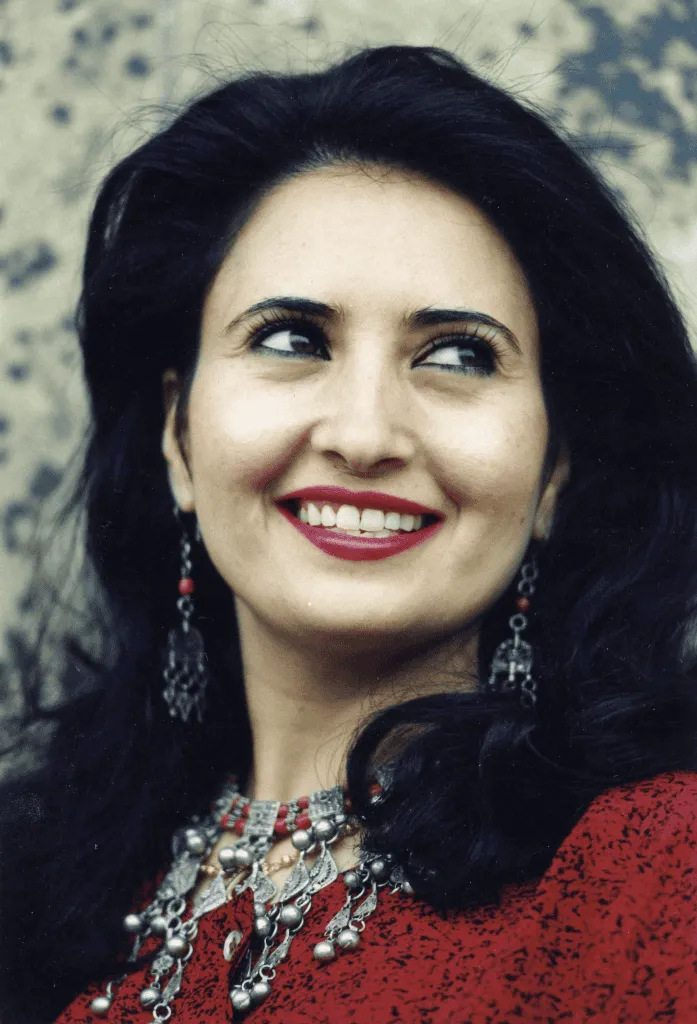
Factory of Change: The Cinematic Vision of Khadija al-Salami
Khadija al-Salami is a pivotal figure in contemporary cinema, known for her poignant documentaries that explore the intricacies of Yemeni Muslim culture, particularly focusing on women’s rights and freedom of expression. Her notable works, such as the documentary film “Factory” and her book “The Tears of Sheba,” delve deeply into the fabric of society where women often face significant oppression. Through a lens that not only informs but also inspires, al-Salami’s contributions illuminate the persistent struggles and remarkable victories of women in Yemen and beyond. This essay will explore the essence of her work, the themes she addresses, and the broader implications for women’s emancipation in traditionally conservative cultures.
An Overview of Khadija al-Salami’s Work
Khadija al-Salami’s journey into the world of documentary filmmaking is a testament to her resilience and determination. As one of the first female filmmakers in Yemen, al-Salami faced numerous challenges in a society that is often hostile towards women’s expressions of autonomy and creativity. Her experiences during Yemen’s tumultuous political landscape shaped her understanding of the struggles that women face. Al-Salami’s films serve as a platform to voice these challenges and highlight the potential for transformation within Yemeni society.
“Factory” is one of al-Salami’s most compelling documentaries, which examines the lives of women working in a textile factory in Yemen. Through the film, viewers are presented with an intimate look at the day-to-day realities of these women as they balance their aspirations against societal expectations and economic limitations. Al-Salami’s framing of these narratives does not simply aim to portray suffering; rather, it seeks to celebrate the resilience women exhibit in the face of adversity. The documentary becomes a space where women’s stories are honored, and their struggles and triumphs are presented as a form of resistance against oppressive norms.
Freedom of Expression and Women’s Emancipation
At the heart of Khadija al-Salami’s documentaries is the theme of freedom of expression. In many societies, particularly in conservative regions like Yemen, women’s voices have historically been marginalized. Through her films, al-Salami empowers women to express themselves, reclaim their narratives, and challenge the status quo. This empowerment is not merely about speaking out; it extends to the idea of visualization—seeing oneself as an agent of change, capable of transforming one’s own life and community.
In “The Tears of Sheba,” al-Salami gathers stories from women who have endured various forms of repression. By documenting their experiences, she not only brings attention to their plights but also emphasizes the importance of storytelling in the journey towards emancipation. The act of sharing these narratives becomes a form of resistance, fostering solidarity among women and cultivating a collective identity that defies oppressive structures. This process of storytelling, as al-Salami demonstrates, is essential for individual and communal healing, serving as a powerful catalyst for change.

Signs of Change and Societal Implications
Khadija al-Salami’s work is rich with signs of change, using her platform to showcase the victories women achieve through determination and commitment. Her documentaries highlight the active roles women play in their communities, showcasing their capabilities and ambitions beyond traditional confines. For instance, the women featured in “Factory” are not portrayed merely as victims but as individuals who have agency and the capacity to invoke change in their lives.
The implications of al-Salami’s work extend beyond Yemen; they resonate globally, reflecting a universal struggle for women’s rights. As her films have gained visibility at numerous international film festivals, they challenge preconceived notions of women in the Middle East, contributing to a broader dialogue about gender, culture, and societal transformation. This international recognition also plays a crucial role in amplifying the voices of Yemeni women, fostering a more nuanced understanding of their realities and aspirations.
Moreover, the accolades and awards that al-Salami has received underline the significance of her work, reinforcing the value of documentaries as tools for advocacy and education. Each recognition serves as validation not only for her efforts but also for the stories that often remain untold. In doing so, al-Salami contributes to a growing body of work that seeks to open up conversations around women’s rights, cultural identity, and the importance of representation in media.

Career in Media and Filmmaking
In France, al-Salami’s career began to flourish. She initially worked for the radio station Radio Orient before transitioning to a role in the press in 1993. Her experiences in the media allowed her to hone her storytelling skills and develop a keen understanding of the power of narrative. However, al-Salami’s true passion lay in filmmaking—a medium she believed could most effectively convey the stories of women and bring attention to their struggles.
As a filmmaker, al-Salami has produced a number of critically acclaimed documentaries and feature films that explore the lives of women in Yemen and the broader Muslim world. Her works often address themes of oppression, resilience, and the quest for equality, challenging the stereotypes and misconceptions surrounding Muslim women. Through her lens, she captures the nuanced realities of their lives, providing a voice to those who have been silenced.
One of her most notable films, “The Last Yemeni,” delves into the challenges faced by women in Yemen, highlighting their strength and resilience in the face of adversity. By showcasing the stories of individual women, al-Salami humanizes the issues at hand, inviting audiences to empathize with their experiences and advocate for change.
Advocacy and Impact
Khadija al-Salami’s contributions extend beyond filmmaking; she is a staunch advocate for women’s rights and empowerment in Yemen and the Arab world. Her work has sparked important conversations about gender equality, challenging traditional norms and encouraging women to assert their rights. Al-Salami’s films serve as educational tools, raising awareness of the issues faced by women in her culture and inspiring future generations to pursue their dreams and fight for their rights.
Through her advocacy, al-Salami has become a symbol of hope for many women in Yemen and beyond. Her courage in confronting the societal constraints imposed on women has inspired countless individuals to challenge the status quo and strive for a more equitable future. By sharing her own story and the stories of others, she has illuminated the path toward empowerment, demonstrating that change is possible even in the face of overwhelming odds.
Conclusion
Khadija al-Salami’s journey from a young girl facing the harsh realities of arranged marriage and abuse to becoming Yemen’s first female filmmaker is a testament to the power of resilience and the transformative potential of education and art. Through her films and advocacy, she has carved a space for women’s voices in the cultural narrative of Yemen and has become an influential figure in the fight for gender equality in Muslim cultures. As she continues to create and inspire, al-Salami remains a vital force in the ongoing struggle for women’s rights, proving that storytelling can be a powerful catalyst for change. Her legacy serves as a reminder of the importance of amplifying women’s voices and the need for continued efforts to achieve equality and justice for all.